5 Essential Considerations When Selecting Work Coveralls
Choosing the right work coveralls is a critical decision that can greatly influence your safety, comfort, and efficiency on the job. Coveralls act as a protective barrier against various workplace hazards, making it essential to select the appropriate type for your specific environment. This article outlines five vital factors to consider when purchasing work coveralls, equipping you with the knowledge needed to make an informed choice.
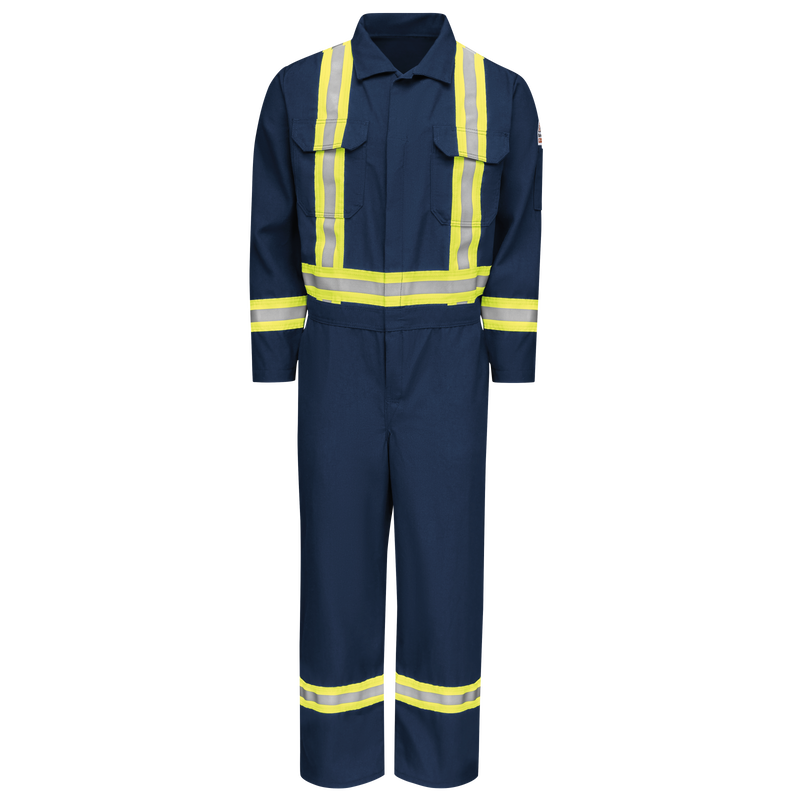
Understanding the Purpose of Work Coveralls
Before diving into the specifics of selecting work coveralls, it’s important to grasp their primary function. Coveralls are designed to safeguard the wearer from a range of workplace dangers, including:
Physical Hazards
Coveralls provide protection against physical threats such as cuts, abrasions, and impacts from tools or machinery. In environments where heavy equipment is used, having a durable outer layer can prevent injuries.
Environmental Factors
Work coveralls can shield you from harsh weather conditions, including extreme temperatures, rain, and wind. This is particularly important for outdoor jobs where exposure to the elements is unavoidable.
Chemical Exposure
In industries where hazardous materials are present, specialized coveralls can prevent skin contact and absorption of harmful substances. Selecting the right fabric and design can significantly reduce the risk of chemical burns or contamination.
By understanding the specific risks associated with your job, you can better determine the type of coveralls that will provide the necessary protection.
Durability: The Cornerstone of Quality Coveralls
Material Composition
The longevity of work coveralls is crucial, as they must endure the demands of daily use in challenging environments. When assessing materials, consider the following:
- Fabric Type: Opt for heavy-duty fabrics such as cotton blends, polyester, or specialized synthetic materials that offer both strength and flexibility.
- Stitching Quality: Look for reinforced seams and double-stitching, which can enhance the durability of coveralls and prevent rips and tears during strenuous activities.
Resistance to Wear and Tear
In addition to material quality, consider how well the coveralls resist wear and tear. Features to look for include:
- Abrasion Resistance: This is particularly important in environments where the coveralls may come into contact with rough surfaces.
- Water and Stain Resistance: Coveralls that repel water and resist stains can maintain their appearance and functionality over time.
Comfort: A Key Factor for Productivity
Fit and Mobility
Comfort is essential for maintaining productivity, especially in physically demanding jobs. When selecting coveralls, pay attention to:
- Size and Fit: Ensure that the coveralls fit well without being too tight or too loose. A proper fit allows for ease of movement while performing tasks.
- Design Features: Look for coveralls with features such as elastic waistbands, adjustable cuffs, and breathable fabrics that enhance comfort during long hours of wear.
Temperature Regulation
In many work environments, temperature can fluctuate significantly. Consider coveralls that offer:
- Insulation: For colder climates, look for insulated options that provide warmth without excessive bulk.
- Ventilation: In warmer settings, breathable materials and ventilation openings can help regulate body temperature and prevent overheating.
Visibility: Safety in High-Risk Environments
Importance of High Visibility
In jobs where visibility is critical, such as construction or roadwork, choosing coveralls with high-visibility features is essential. Consider the following:
- Color: Bright colors like fluorescent orange or yellow can enhance visibility in low-light conditions.
- Reflective Strips: Coveralls equipped with reflective strips increase visibility, especially at night or in poor weather conditions.
Compliance with Safety Standards
Ensure that the coveralls meet relevant safety standards for visibility in your industry. This may include certifications from organizations such as ANSI (American National Standards Institute) or CSA (Canadian Standards Association).
Protection: Tailoring to Specific Hazards
Chemical and Fire Resistance
Depending on your work environment, you may require coveralls that offer specialized protection. Consider:
- Chemical-Resistant Coveralls: For jobs involving hazardous materials, look for coveralls made from materials that provide a barrier against chemical exposure.
- Flame-Resistant Options: In industries where fire hazards are present, flame-resistant coveralls can protect against burns and injuries.
Additional Protective Features
Beyond basic protection, some coveralls come with added features that enhance safety, such as:
- Reinforced Knees and Elbows: These areas are often subject to wear and tear, so reinforced padding can provide extra protection.
- Tool Loops and Pockets: Convenient storage options for tools and equipment can enhance efficiency and safety on the job.
Style and Functionality: Finding the Right Balance
Aesthetic Considerations
While functionality is paramount, the style of coveralls can also play a role in your decision. Consider:
- Professional Appearance: In client-facing roles, a polished look can enhance your professional image.
- Customization Options: Some brands offer customizable coveralls, allowing you to add logos or personal touches.
Functional Features
Different styles of coveralls come with various functional features that can enhance usability, such as:
- Zipper vs. Button Closure: Zippers often provide easier access and a more secure fit compared to buttons.
- Multiple Pockets: Consider the number and placement of pockets for storing tools, pens, and other essentials.
Where to Purchase Quality Work Coveralls
Trusted Retailers
Finding the right retailer is crucial for ensuring you receive high-quality coveralls. Look for:
- Specialized Safety Equipment Stores: These retailers often carry a wide range of coveralls tailored to specific industries.
- Online Marketplaces: Websites that specialize in workwear can provide customer reviews and detailed product descriptions to aid in your decision-making.
Evaluating Customer Reviews
Before making a purchase, take the time to read customer reviews. Look for feedback on:
- Durability and Comfort: Insights from other users can help you gauge the real-world performance of the coveralls.
- Sizing Accuracy: Reviews can provide valuable information on whether the sizing runs true to form.
Benefits of Investing in Quality Work Coveralls
Enhanced Safety
Investing in high-quality coveralls can significantly enhance your safety on the job. Properly designed coveralls provide:
- Protection from Hazards: Quality materials and construction can prevent injuries from physical and environmental risks.
- Compliance with Safety Regulations: Ensuring your coveralls meet industry standards can help avoid legal issues and fines.
Increased Comfort and Productivity
Comfortable coveralls can lead to increased productivity. When you feel good in your work attire, you are more likely to perform at your best. Benefits include:
- Reduced Fatigue: Well-fitting coveralls that allow for movement can minimize fatigue during long work hours.
- Improved Focus: When you are not distracted by discomfort, you can concentrate better on your tasks.
Conclusion: Making an Informed Decision
Selecting the right work coveralls involves careful consideration of various factors, including durability, comfort, visibility, protection, and style. By understanding the specific requirements of your job and evaluating the available options, you can make an informed decision that enhances your safety and productivity. Remember to prioritize quality and functionality, as these elements will ultimately contribute to your overall work experience.
Investing in the right coveralls is not just about protection; it’s about ensuring that you can perform your job effectively and confidently. Whether you are working in construction, manufacturing, or any other field, the right coveralls can make all the difference.

Terry Smeader
Latest posts by Terry Smeader (see all)
- Essential Guide: Use and Maintenance of FR High-Visibility Coveralls - March 2, 2026
- Top 5 Sources for Flame-Resistant (FR) Coveralls in Canada - February 24, 2026
- Where Can I Buy FR Coveralls In Canada - February 23, 2026